In the current era of precision engineering and micro-manufacturing, Magnifying Work Lights have transitioned from simple workshop tools to sophisticated optical instruments. As global industries push towards miniaturization—particularly in electronics assembly, medical device manufacturing, and semiconductor inspection—the demand for high-CRI (Color Rendering Index) and flicker-free magnification has skyrocketed.
The market is currently witnessing a tectonic shift from traditional fluorescent magnification lamps to SMD LED integration. This transition is not merely about energy efficiency; it is about spectral control. Modern exporters are now focusing on "Visual Ergonomics," ensuring that technicians can work 8-hour shifts without ocular fatigue, a factor that directly impacts industrial yield rates.
Factories are moving beyond standard acrylic lenses to K9 Optical Glass. This reduces chromatic aberration and ensures edge-to-edge clarity, essential for PCB soldering and jewelry appraisal.
The ability to switch between 3000K (Warm) and 6500K (Cool White) allows users to detect different types of material defects, a feature now standard in premium export models.
Frictionless internal spring arms and 360-degree swivel heads are replacing external tension springs to prevent dust accumulation and improve cleanroom compatibility.
From the laboratories of Germany to the electronics hubs in Shenzhen, magnifying work lights serve critical roles:
Guangdong Xolle Light Co., Ltd. is a professional high-tech LED lighting manufacturer located in Zhongshan, Guangdong Province, China—widely recognized as the “Lighting Capital of China.” Since its establishment, Xolle Light has been dedicated to the research, development, production, sales, and service of innovative LED lighting solutions, providing high-quality products and professional services to customers worldwide.
With a modern manufacturing facility covering over 15,000 square meters, Xolle Light has built a comprehensive production system supported by advanced automated equipment, strict quality control processes, and a highly experienced technical team. The company operates an independent R&D center staffed by more than 30 professional engineers and lighting specialists, enabling continuous innovation and rapid product development to meet evolving market demands.
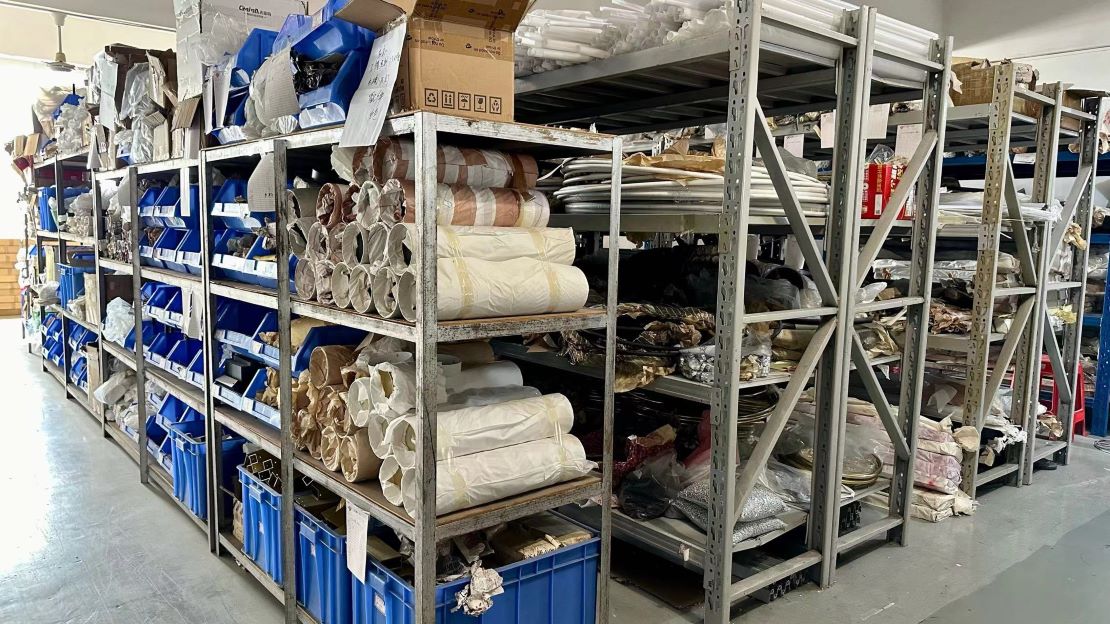
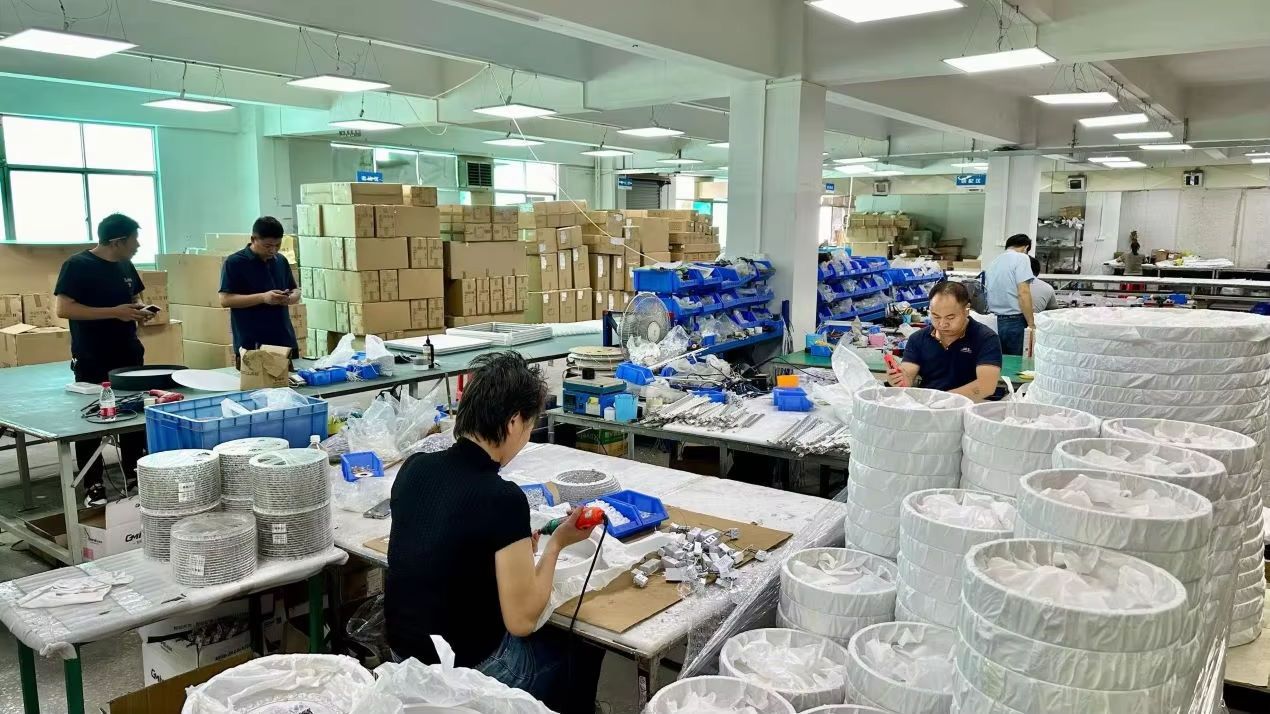
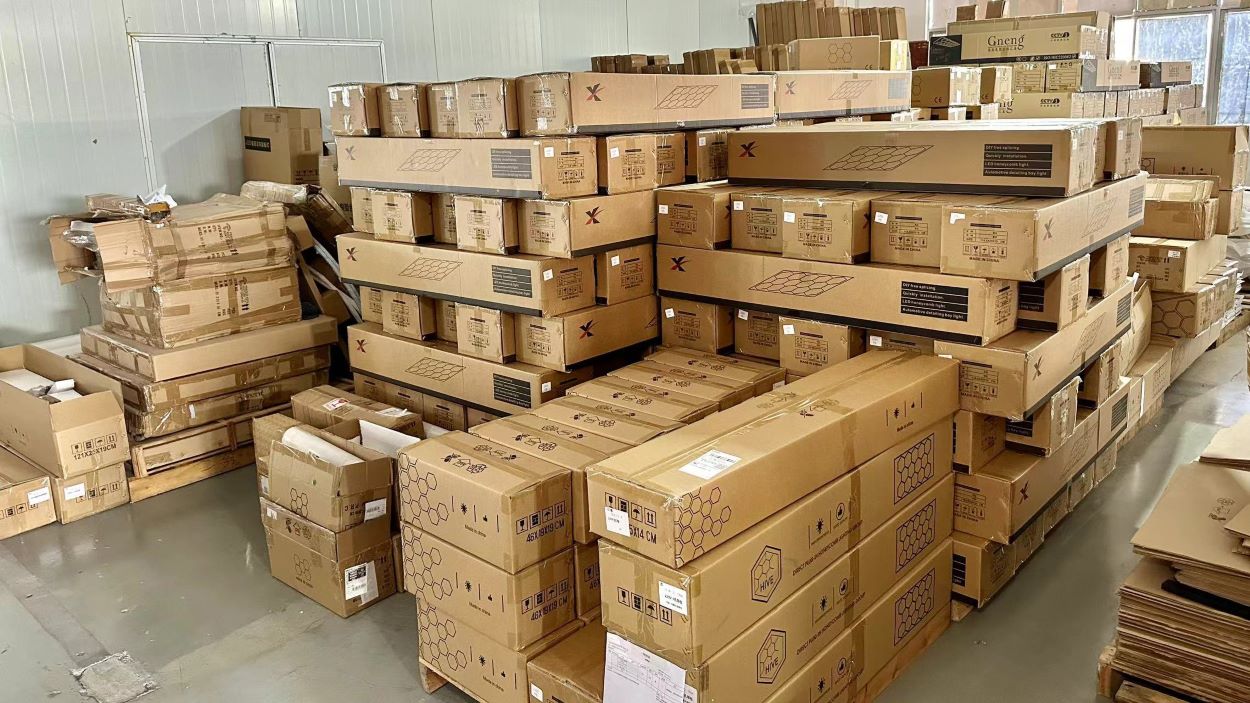
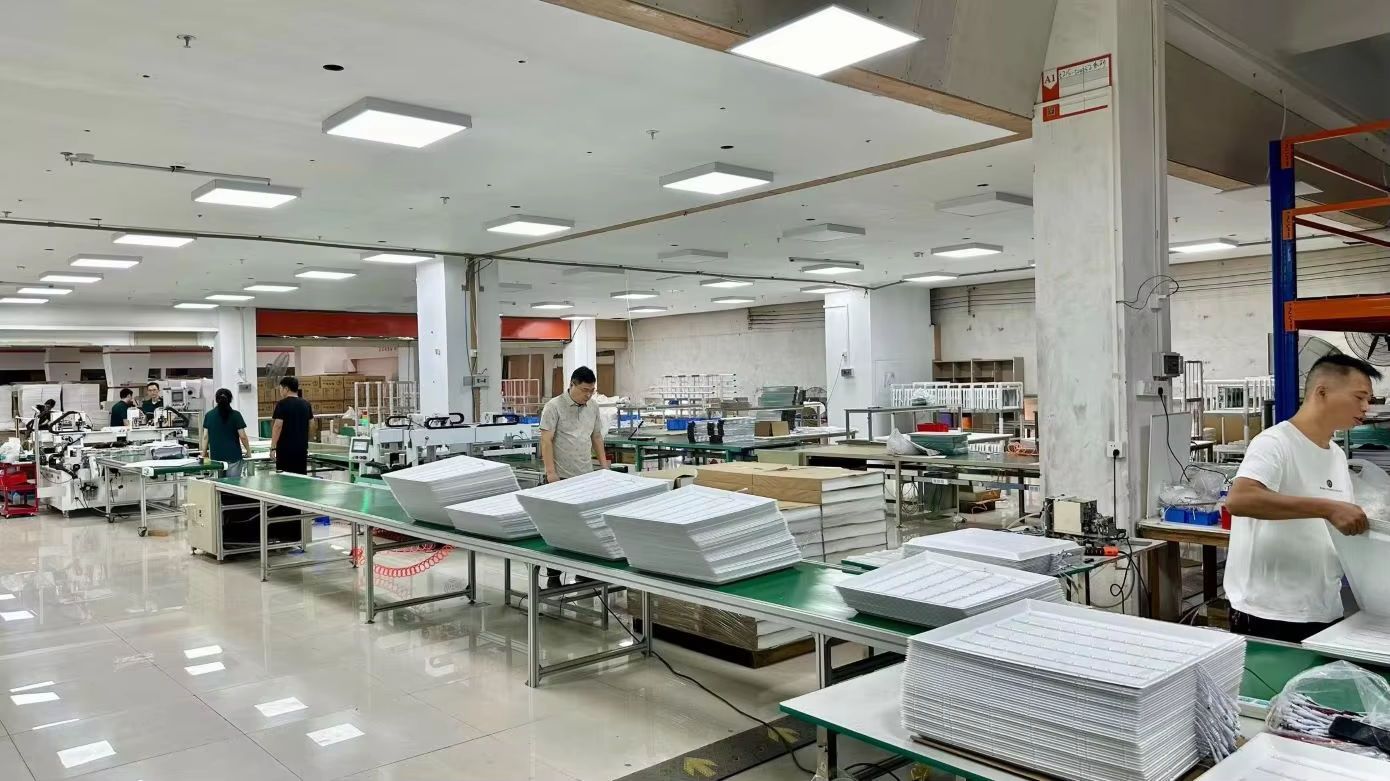
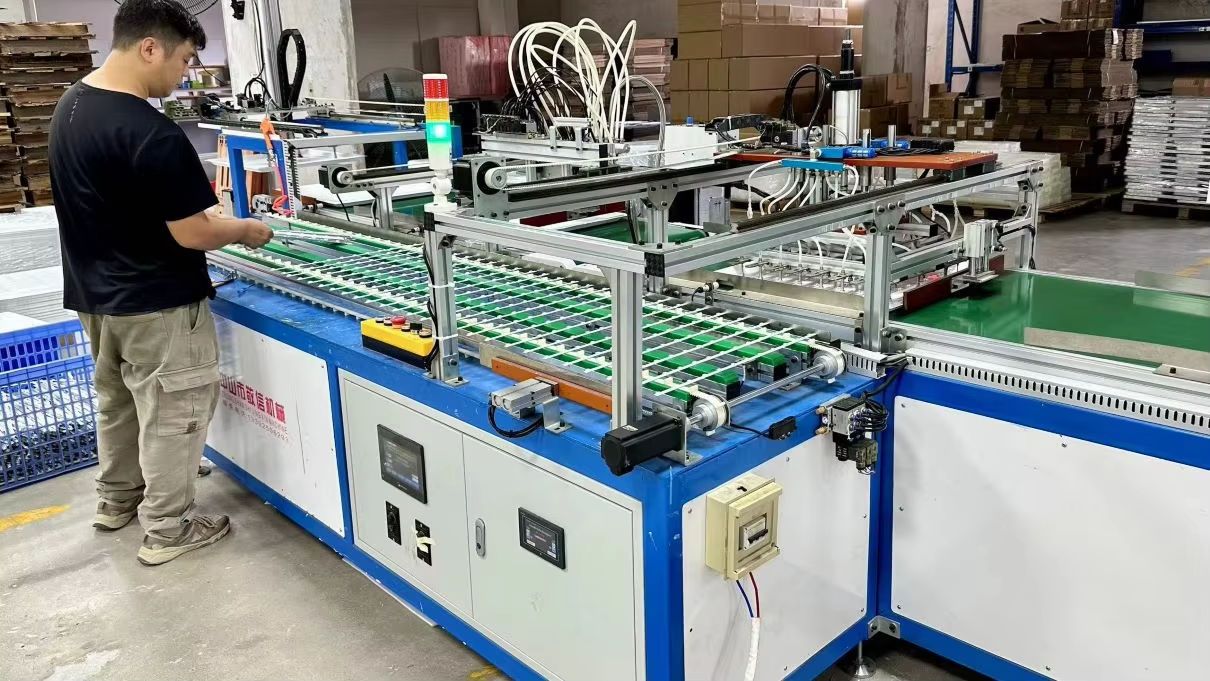
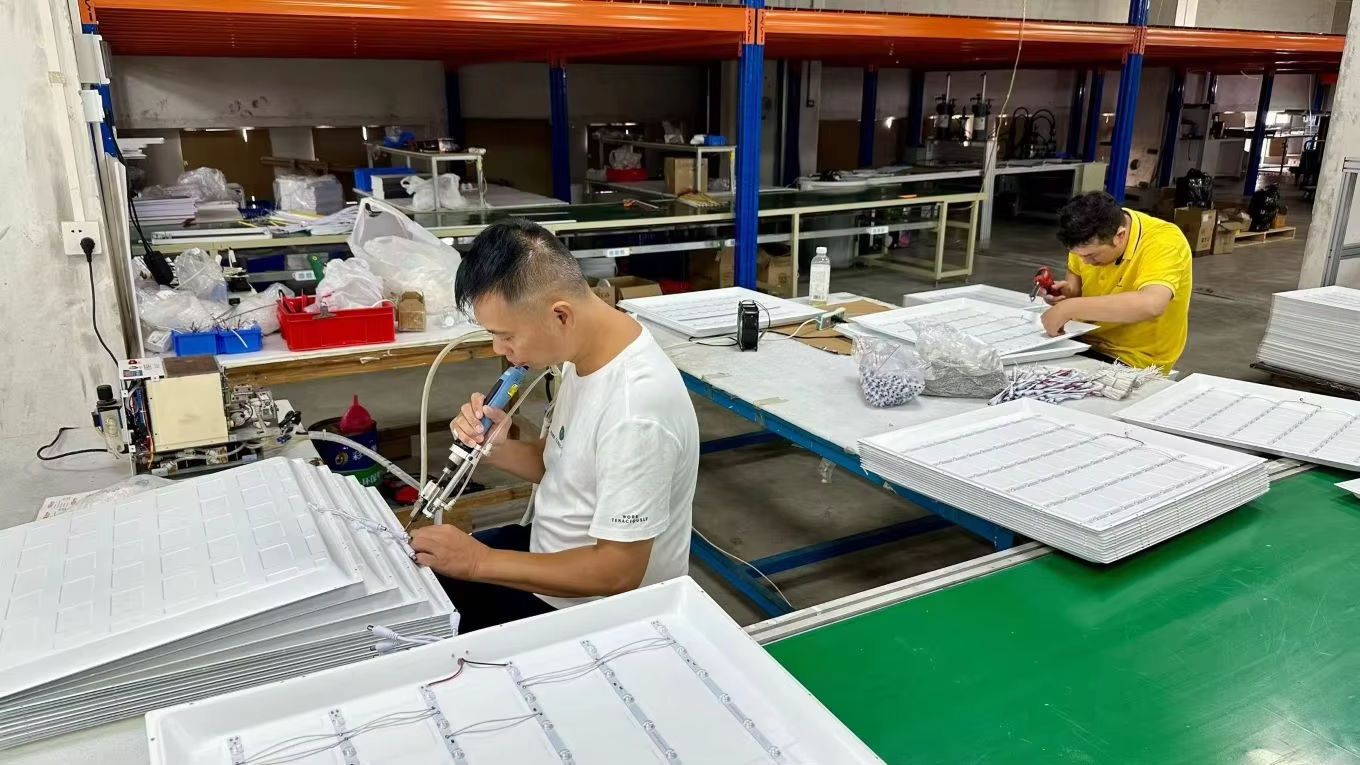
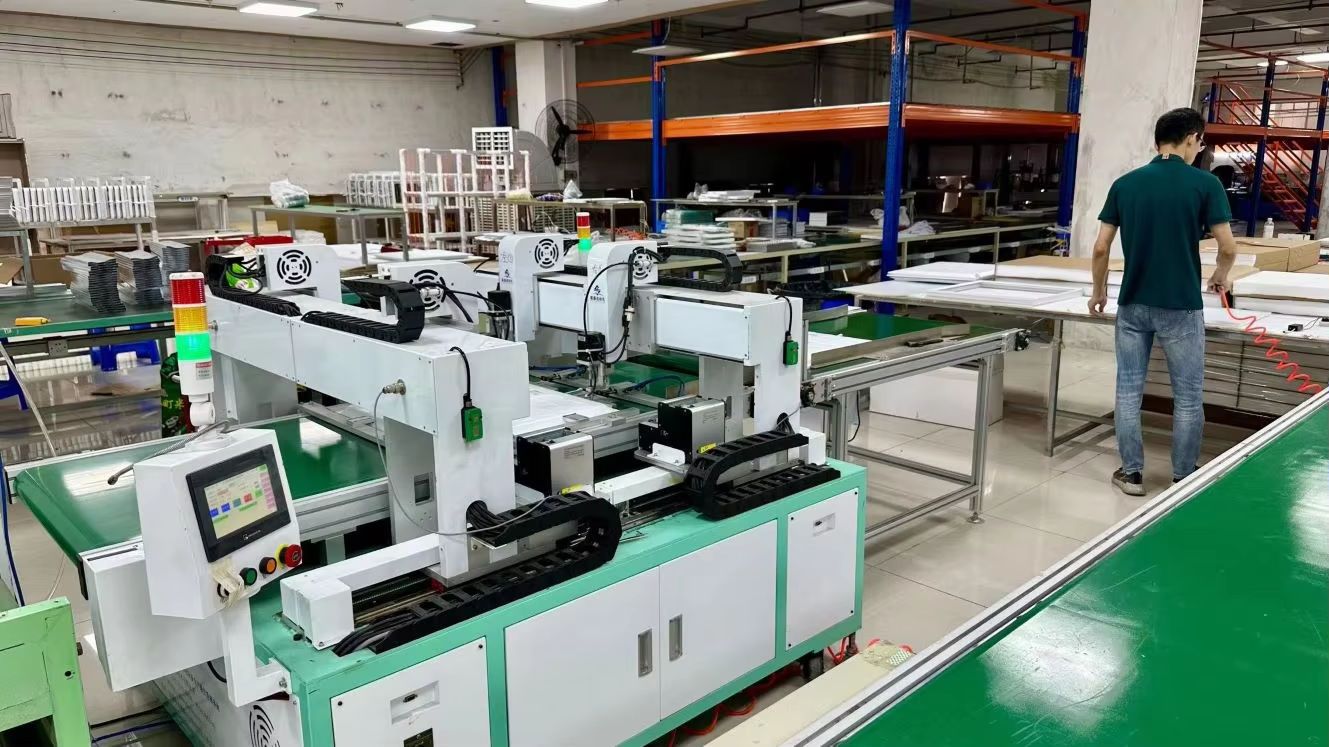
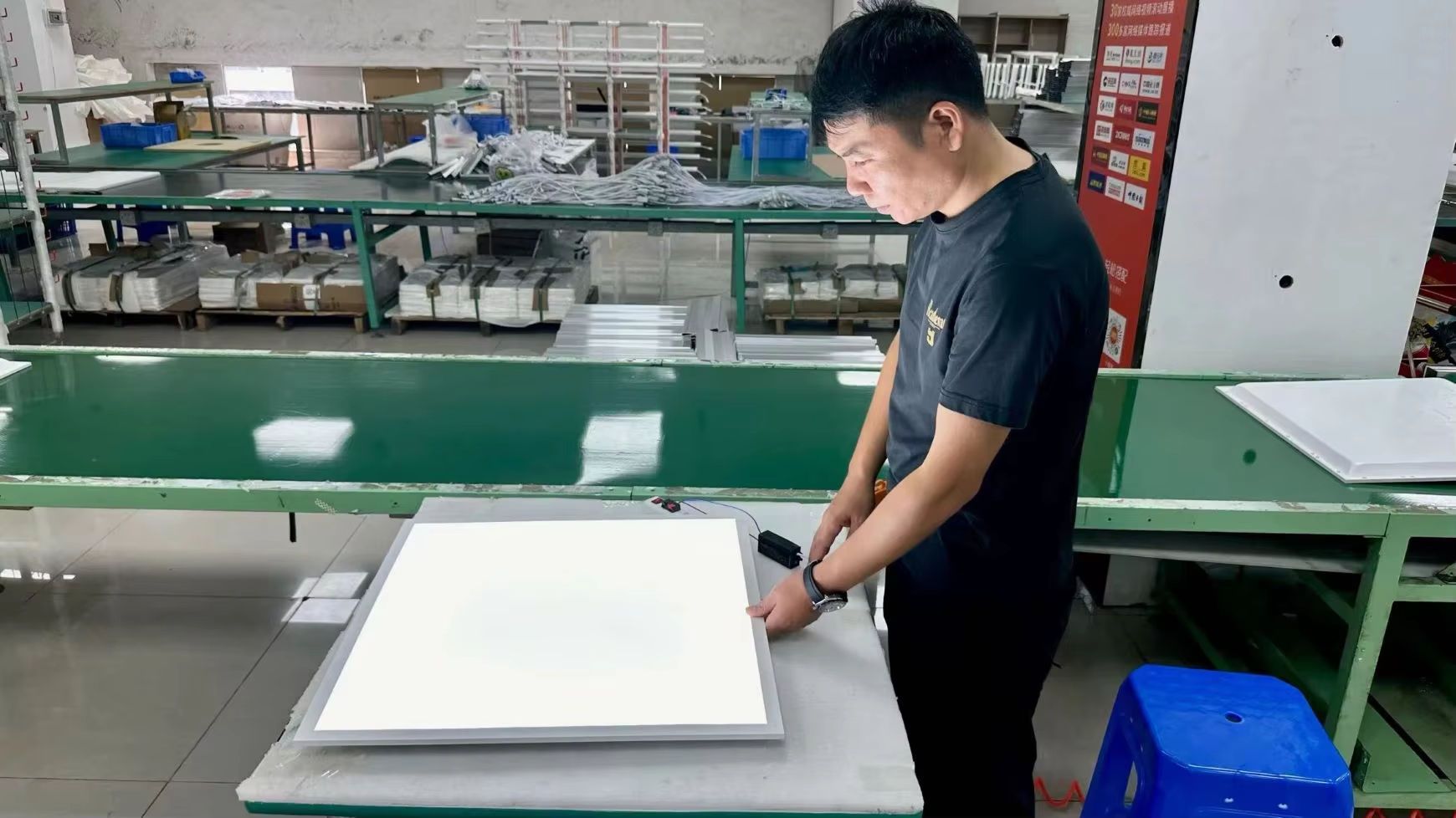
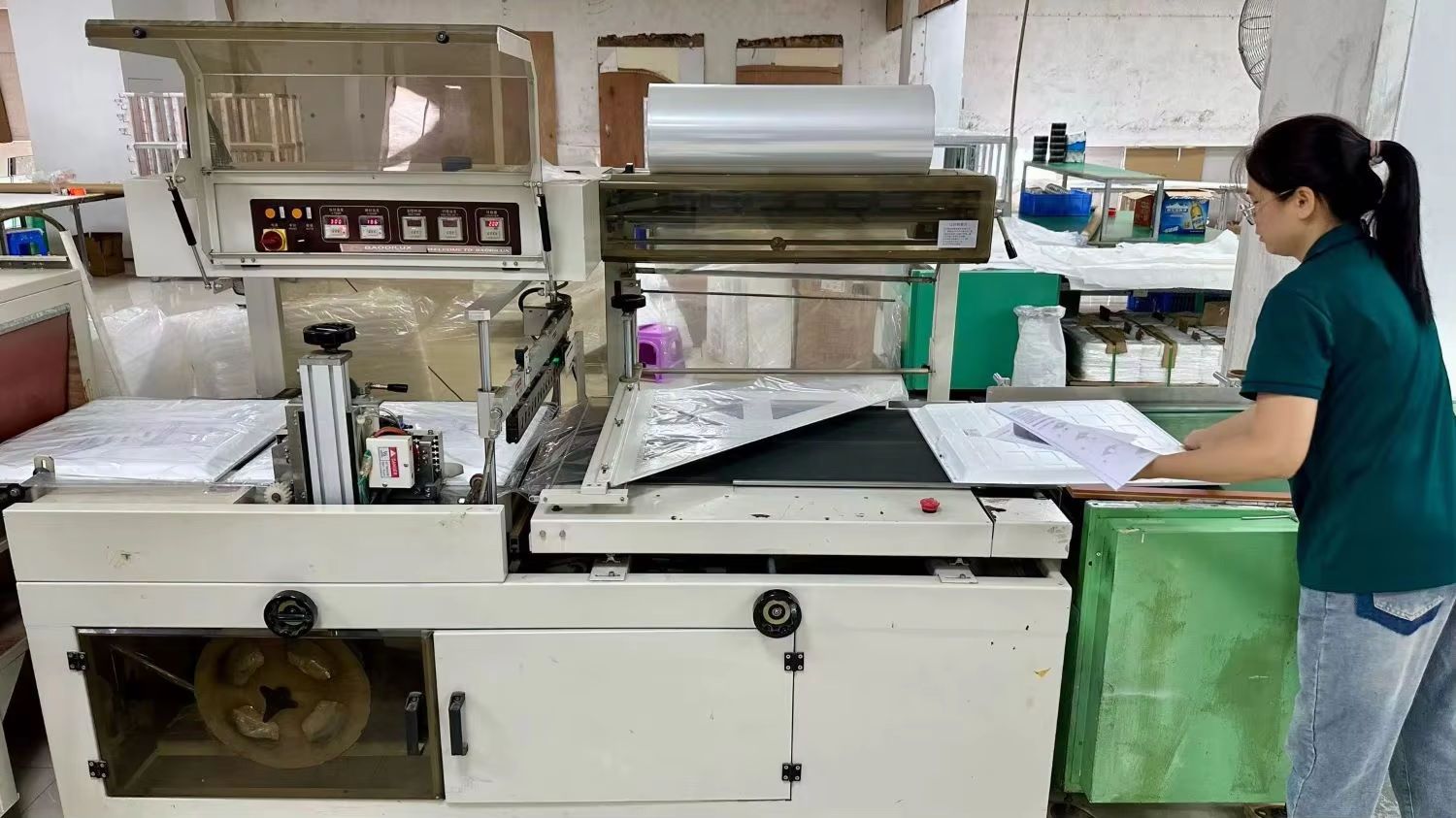
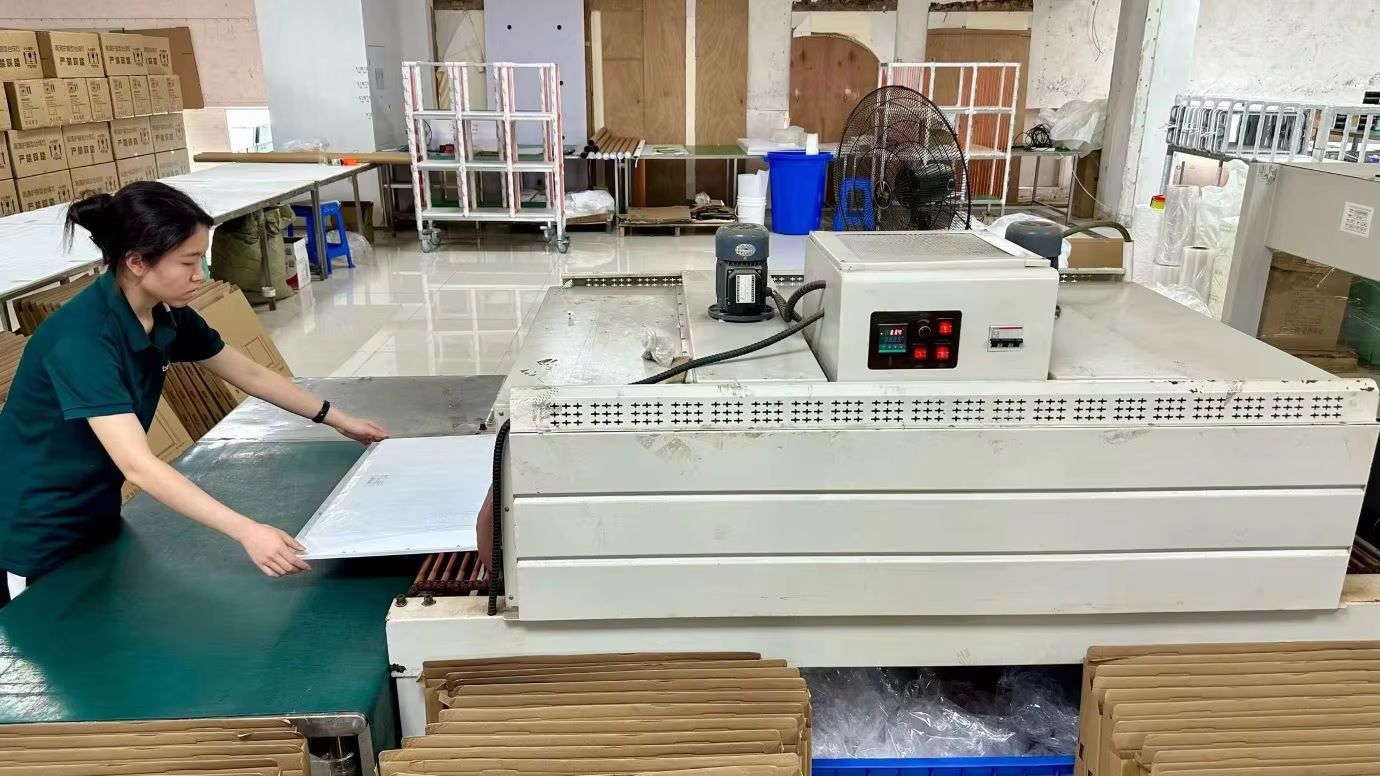
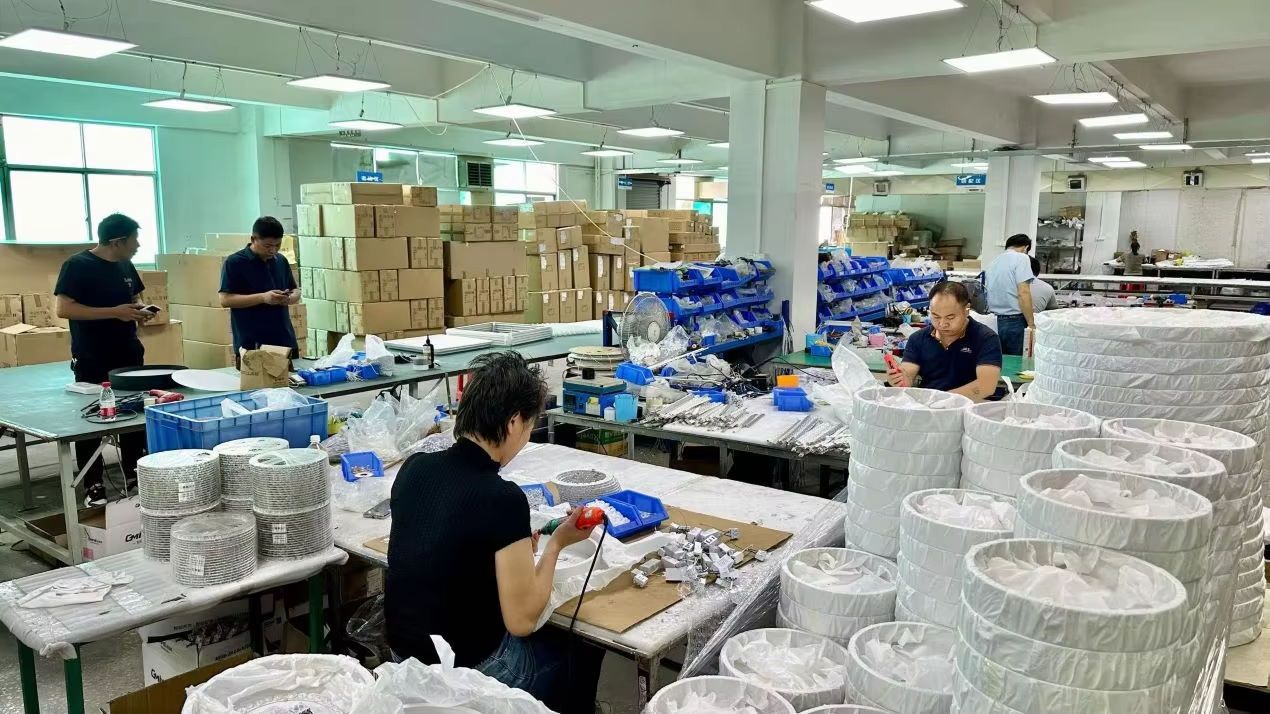
Driven by technological innovation, Xolle Light invests significantly in research and development every year. The company has obtained more than 300 domestic and international patents and certifications, including numerous utility model patents, design patents, and invention patents. Through years of technological accumulation, Xolle Light has developed a comprehensive portfolio of LED lighting products that are recognized for their energy efficiency, durability, intelligent control capabilities, and modern design aesthetics.
Quality remains at the core of Xolle Light’s business philosophy. The company strictly follows the ISO9001 Quality Management System and implements rigorous testing procedures throughout every stage of production, from raw material selection to final product inspection. Many of its products comply with international standards and certifications, including CE, RoHS, FCC, UL, and other market-specific requirements.
The next decade of magnifying work lights will be defined by Information Gain through smart sensors. We anticipate the following developments:
Integration of micro-cameras within the magnifier frame that use AI to highlight defects on a side-screen, assisting the human eye in real-time.
Exporters are shifting toward modular designs where lenses and LED arrays can be replaced independently, reducing e-waste and extending product lifecycles to 15+ years.
Smart work lights that sync with factory ERP systems to track usage time, optimize energy consumption, and signal when preventative maintenance is required.
A: For most electronics work, a 3-Diopter (1.75x) or 5-Diopter (2.25x) lens is ideal. It provides the best balance between magnification and working distance/field of view.
A: A high CRI (90+) ensures that colors are seen accurately. This is vital when identifying color-coded wires, resistors, or biological samples where subtle shade differences matter.
A: Our drivers are designed for wide-voltage input (110V-265V), ensuring stable performance in both North American and European/Asian electrical grids.
A: Generally, yes. Glass lenses are scratch-resistant, maintain clarity longer, and do not warp under the heat of the LEDs, though they are heavier.
 Xolle Light