◈
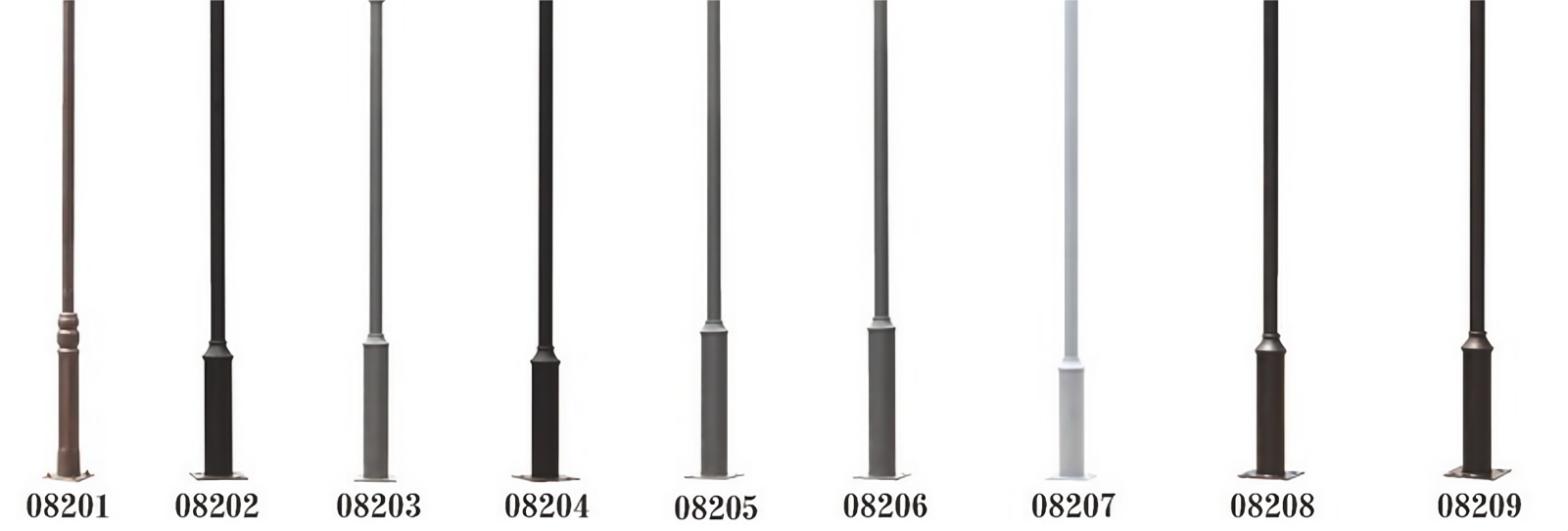
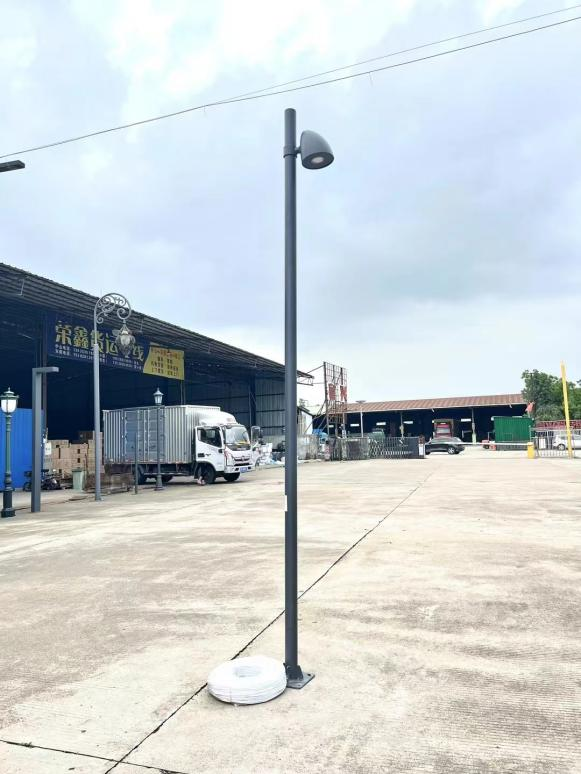
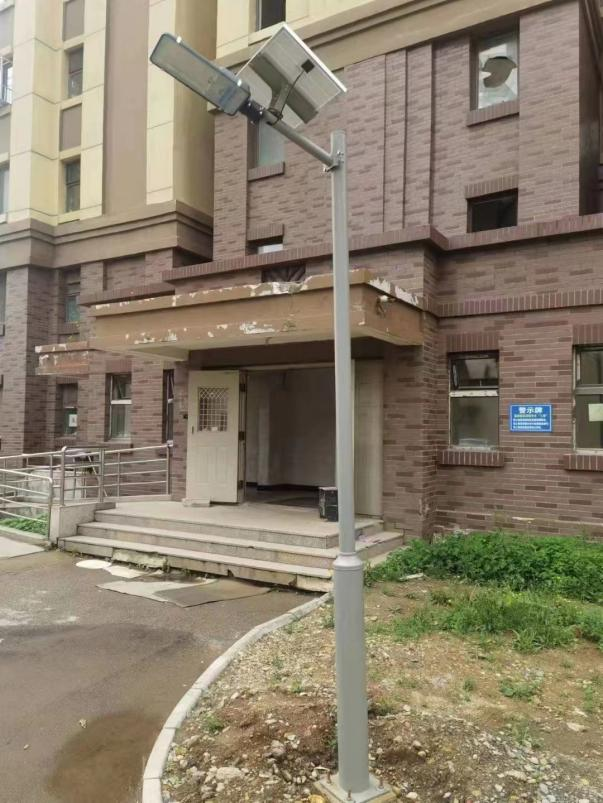
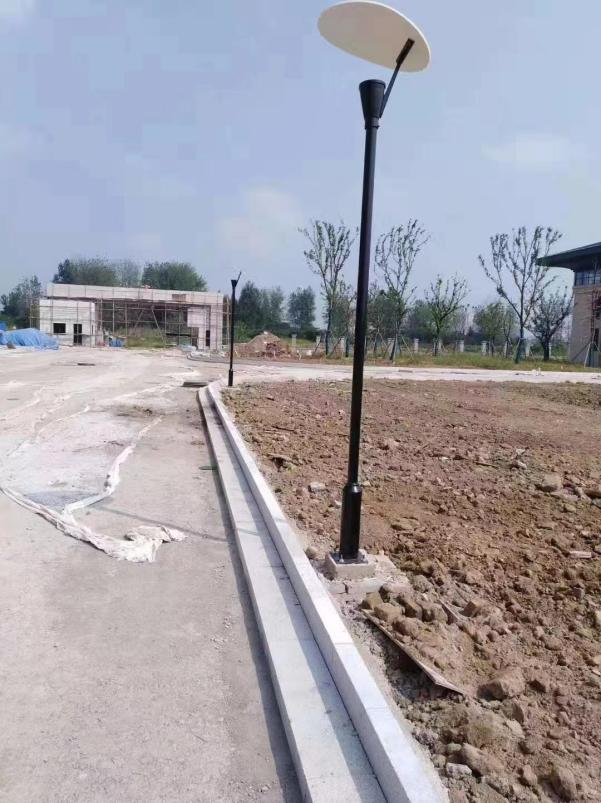
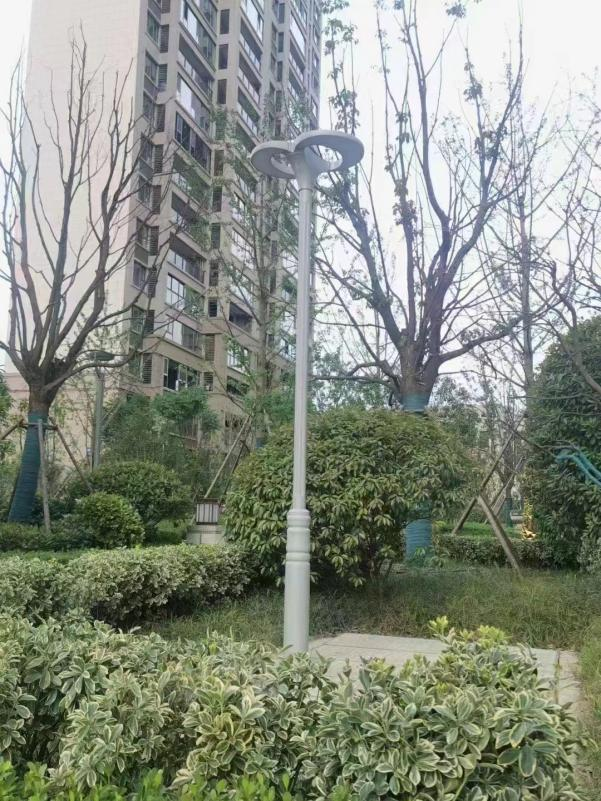
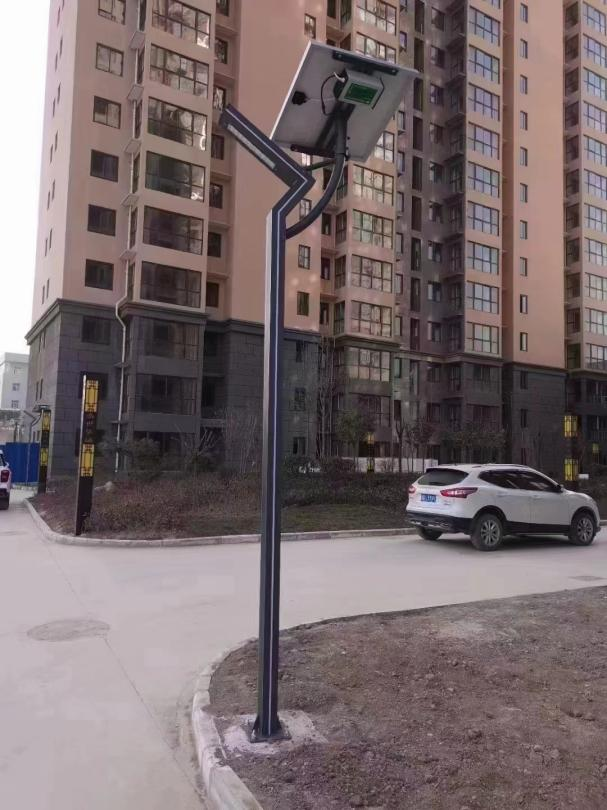
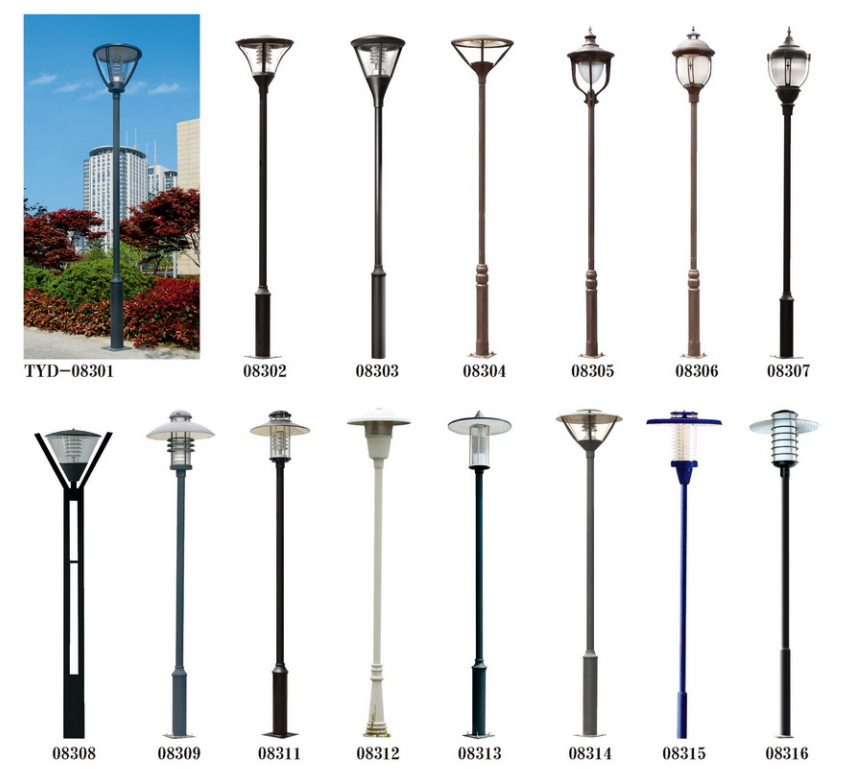
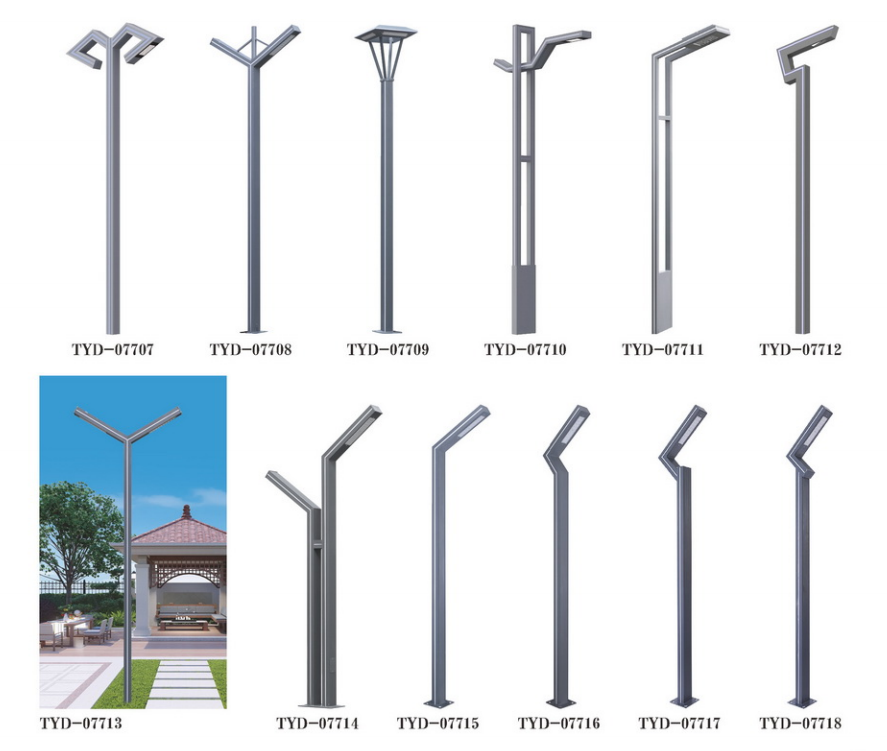
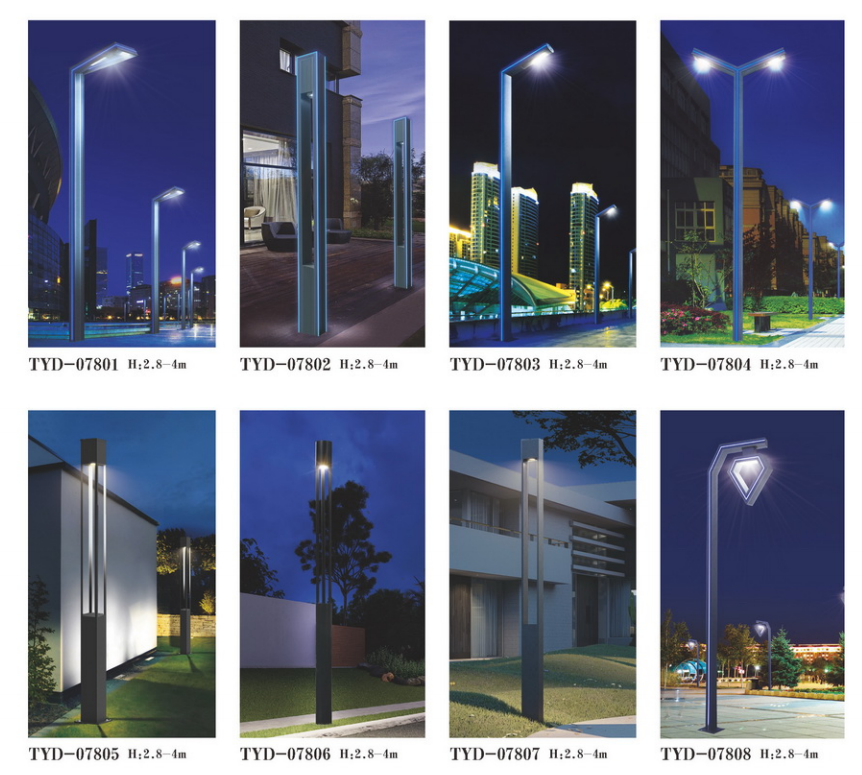
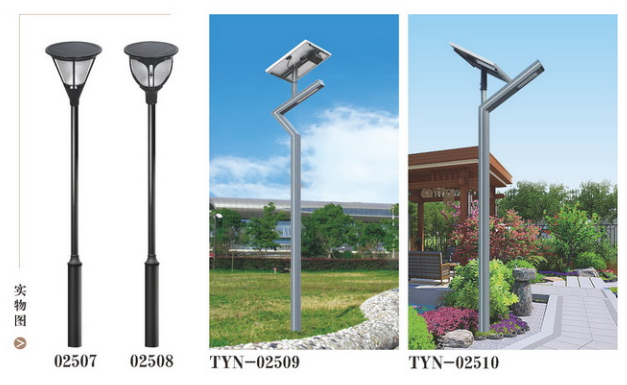
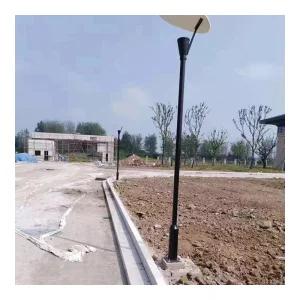
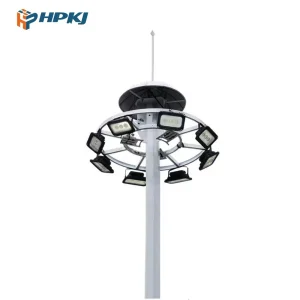
Rod is the carrier of all equipment: The conventional garden light pole is divided into Q235 high-quality steel pole and aluminum alloy pole.
◈
Name of parts: Main pole, flange, cross arm, embedded/ground cage, mounting bracket.
◈
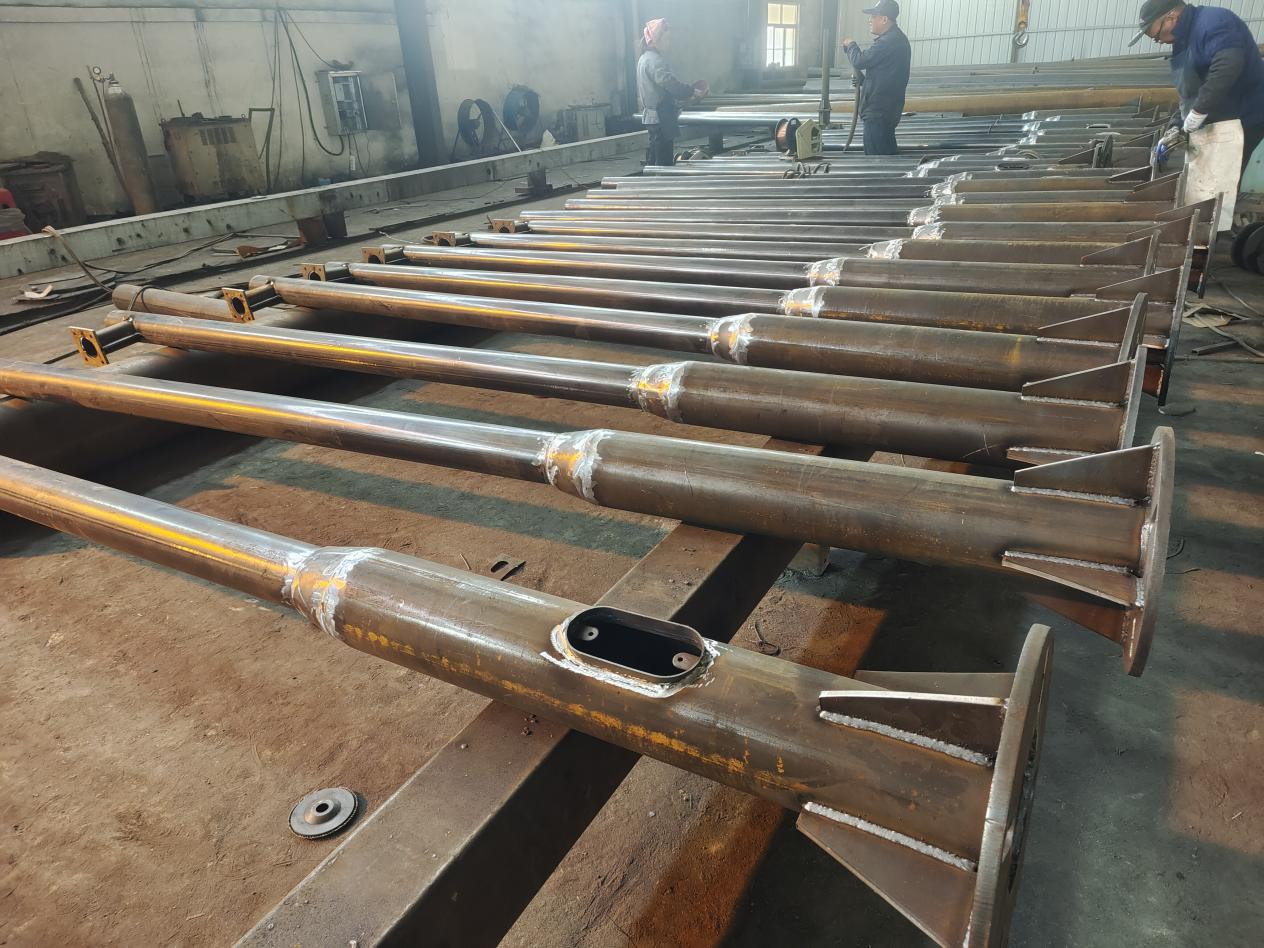
Q235 high-quality steel rod parts: Generally composed of the upper and lower two sections of equal diameter pole welding.
🛡️
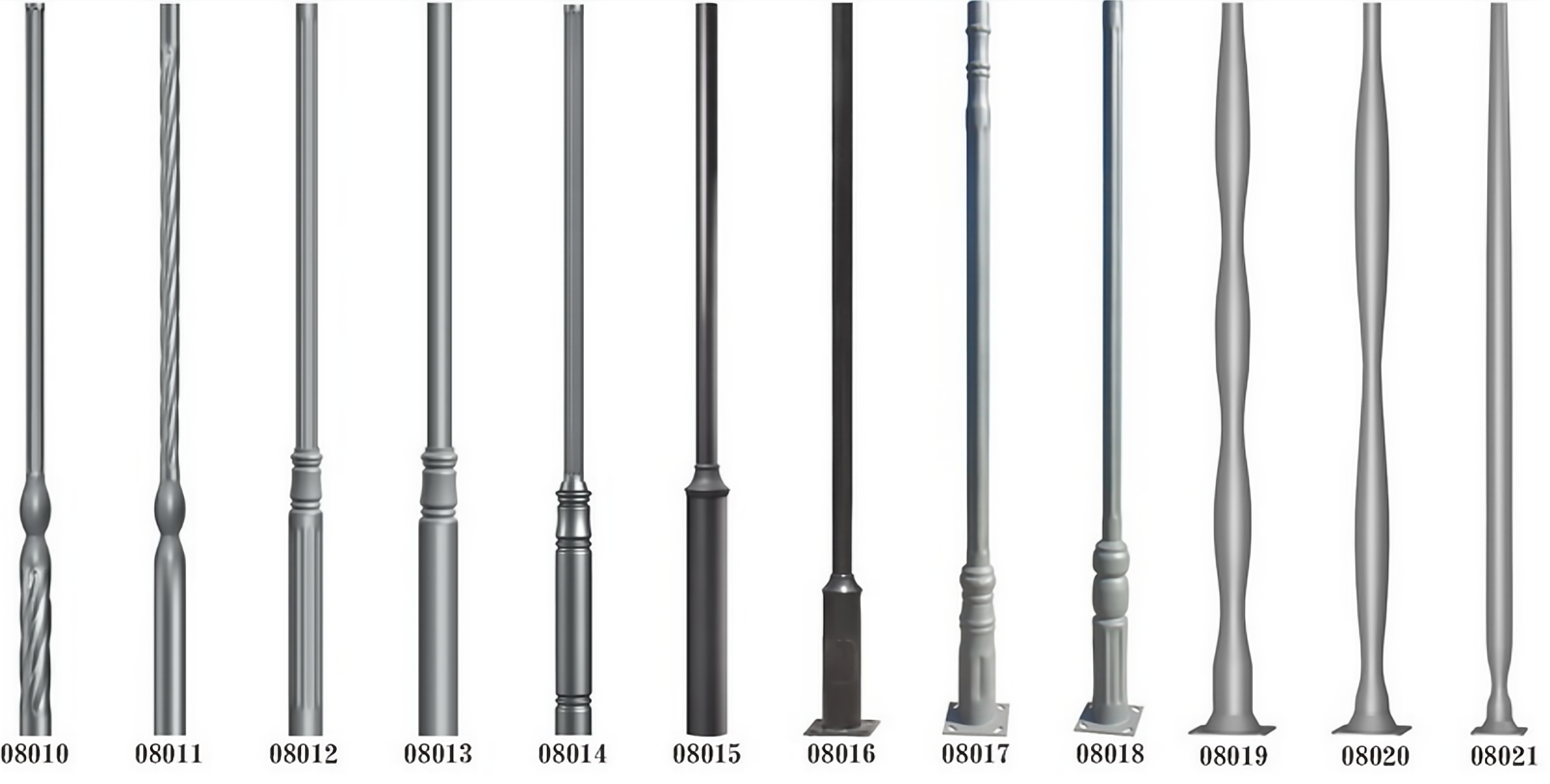
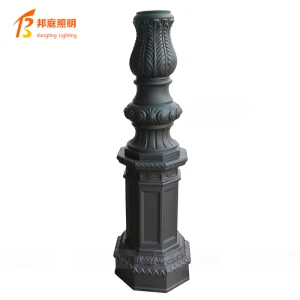
Aluminum alloy rod: Can be made of conventional aluminum alloy post, can also be made by the aluminum pole and rotation and extrusion of some patterns.
⚙️ Production Process
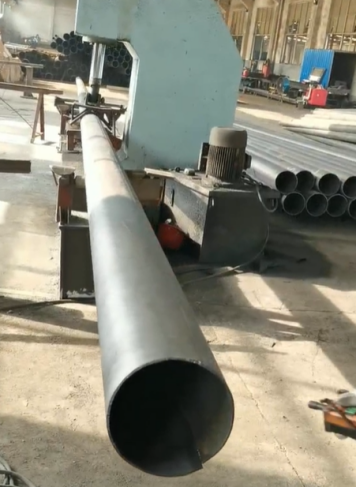
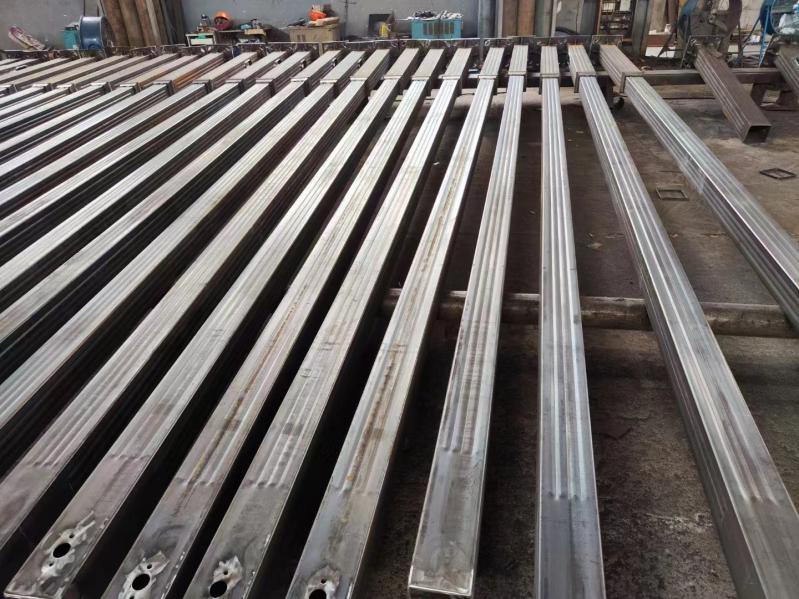
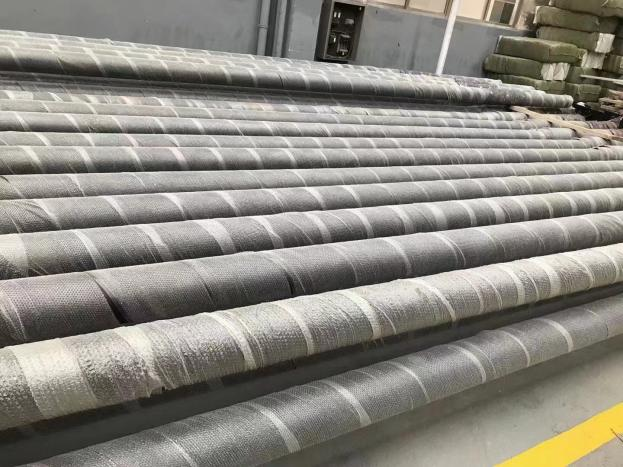
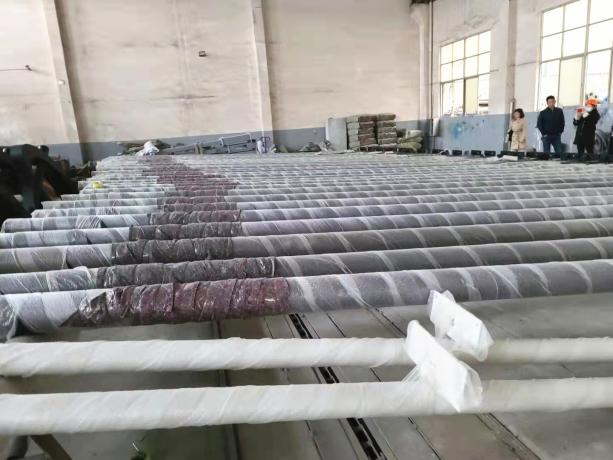
Light pole production process: welding --- grinding and straightening --- hot galvanizing (Aluminum alloy rods do not require hot-dip galvanizing) --- grinding and straightening --- plastic spraying and packaging.
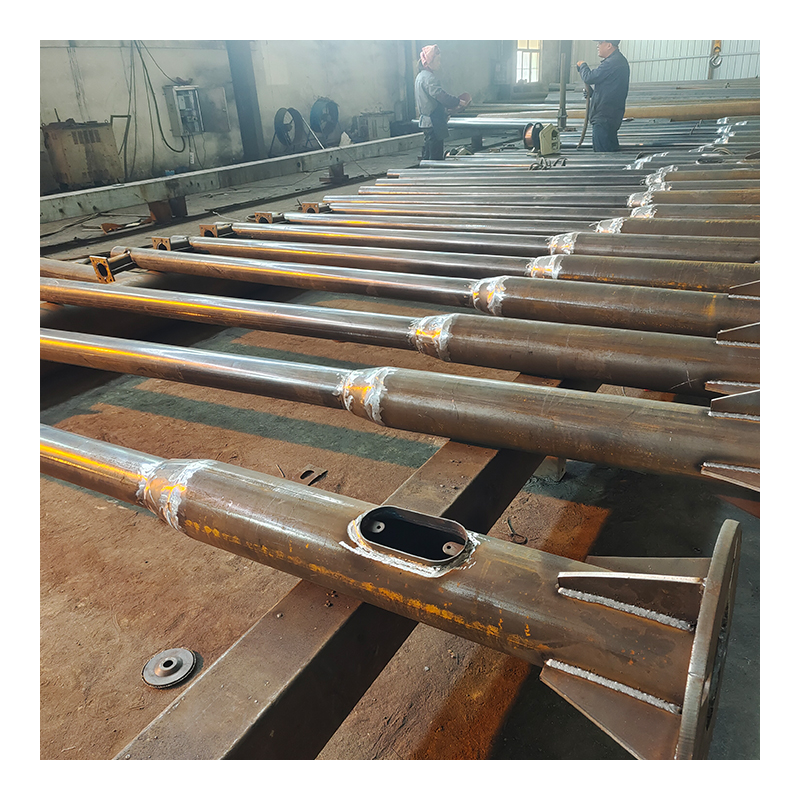
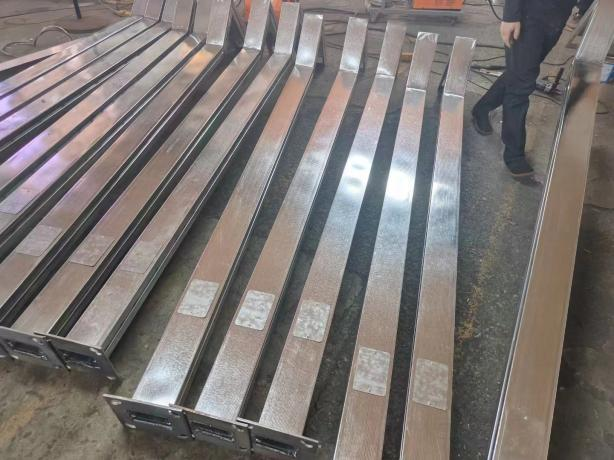
🔥 Welding
📏 Grinding and Straightening
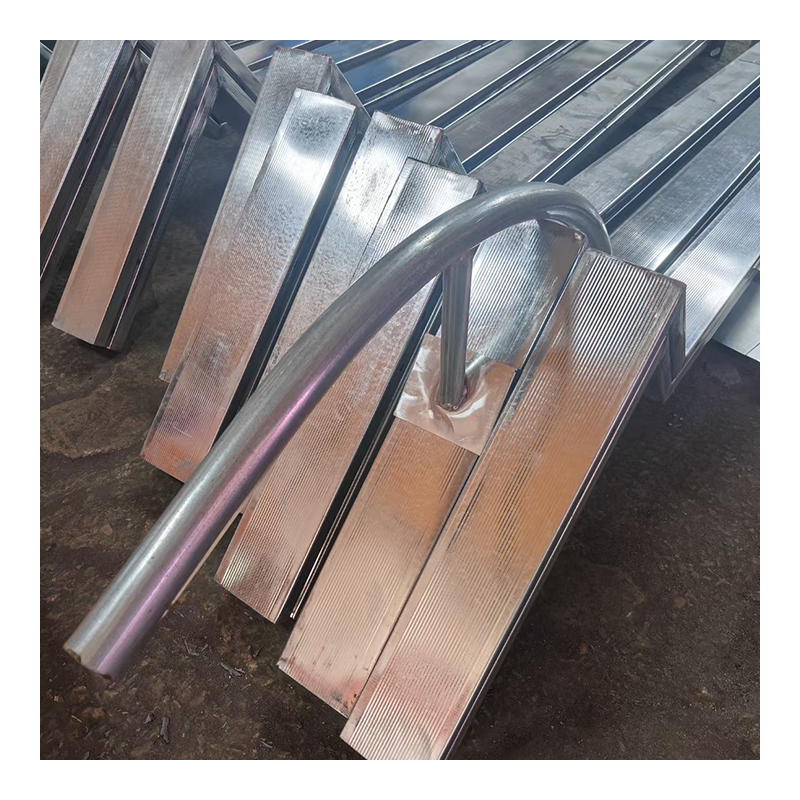
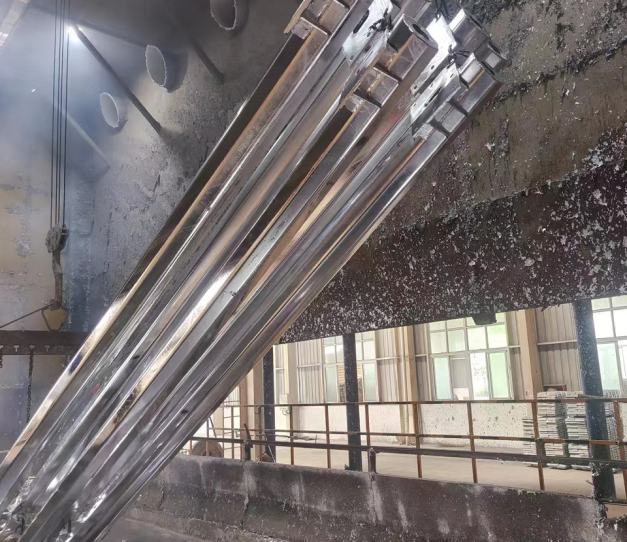
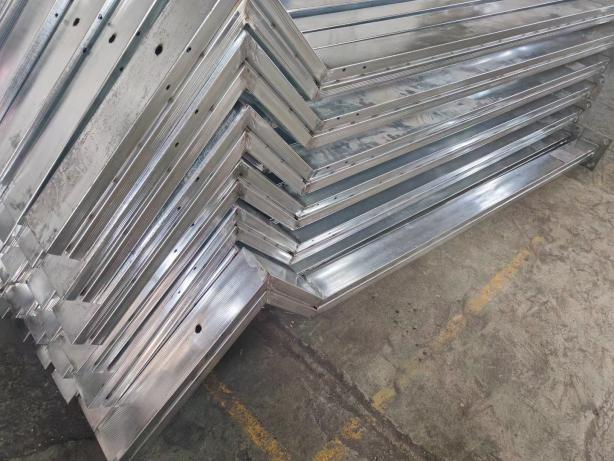
❄️ Hot Galvanizing
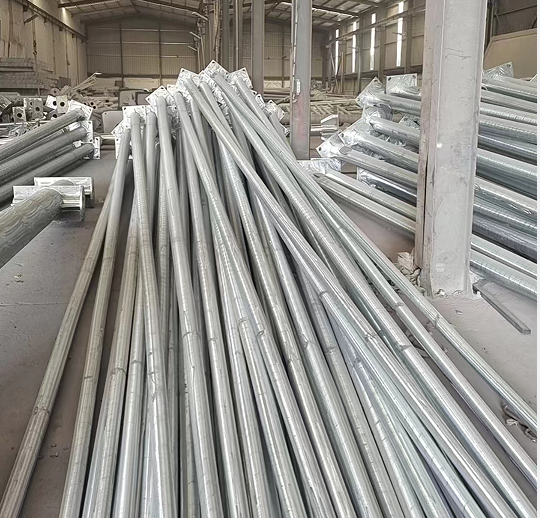
Anti-corrosion treatment: Will not rust for 20-30 years. Followed by further grinding and straightening.
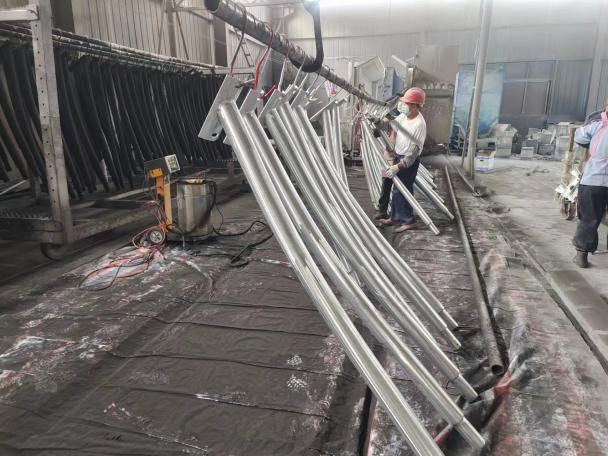
✨ Aluminum Alloy Pole Before Spraying
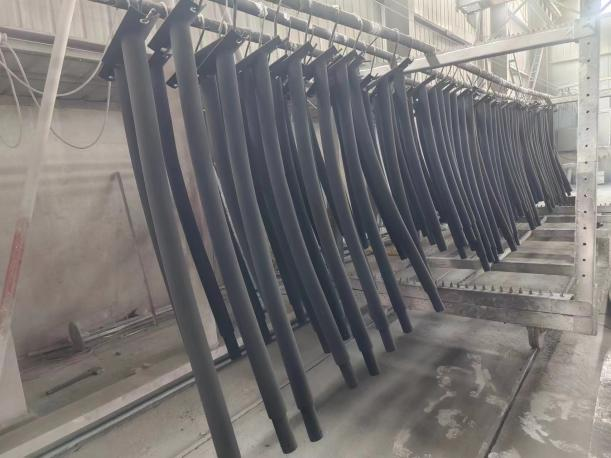
🎨 Plastic Spraying
📦 Packaging
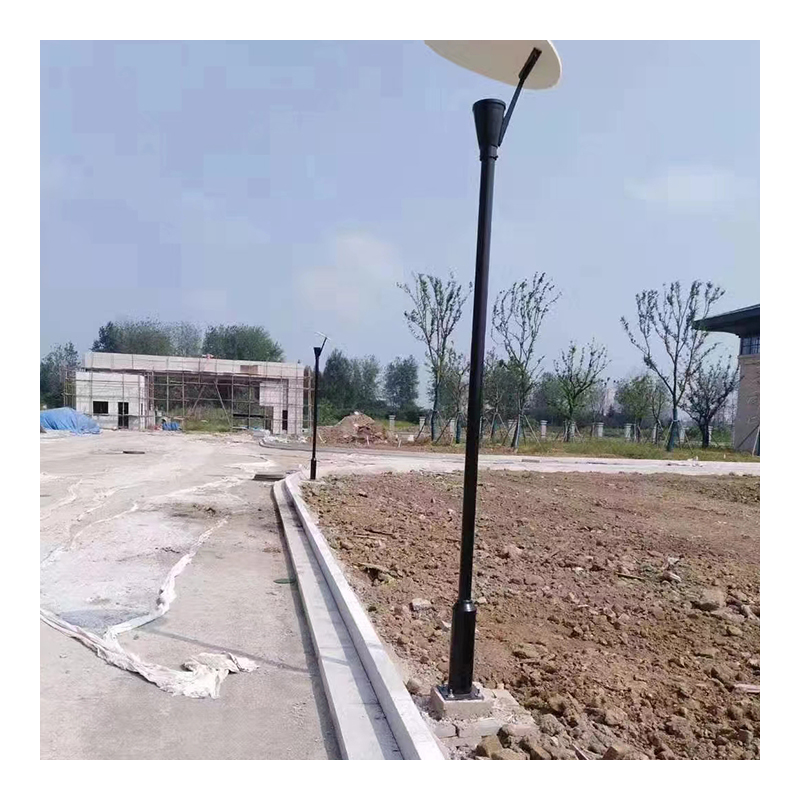
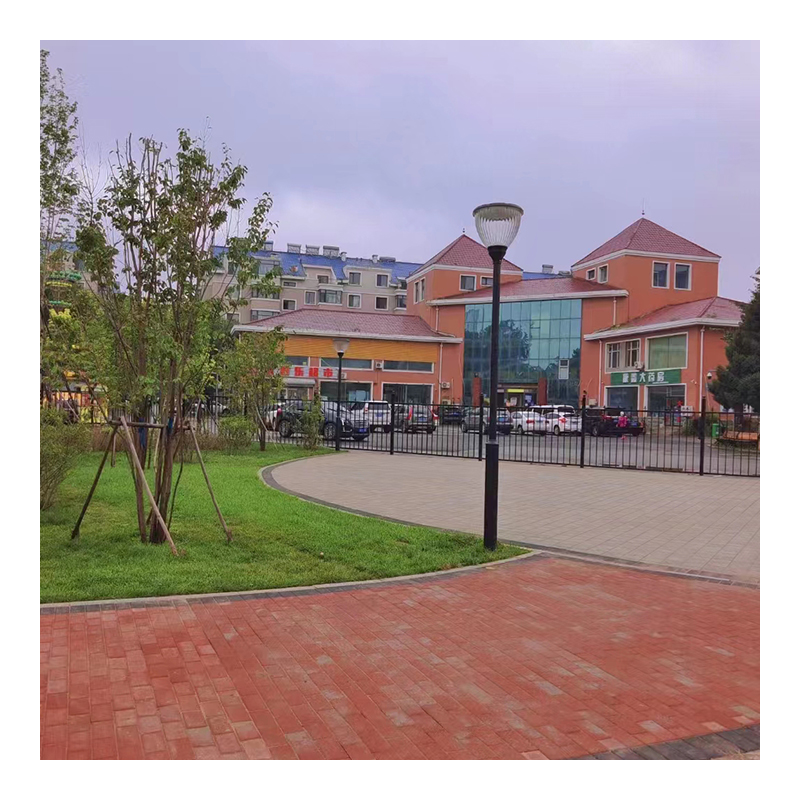
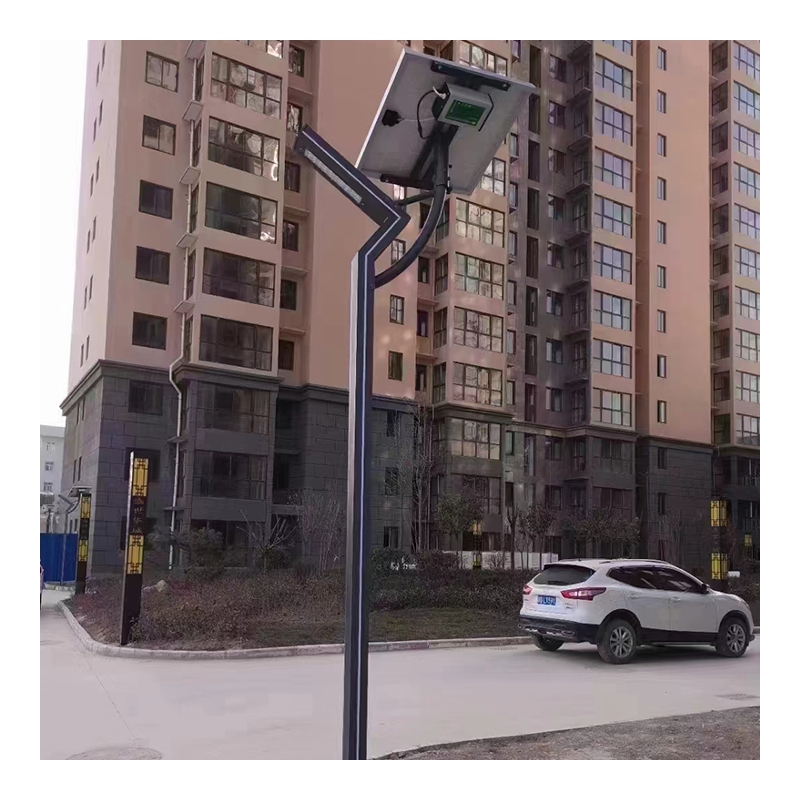
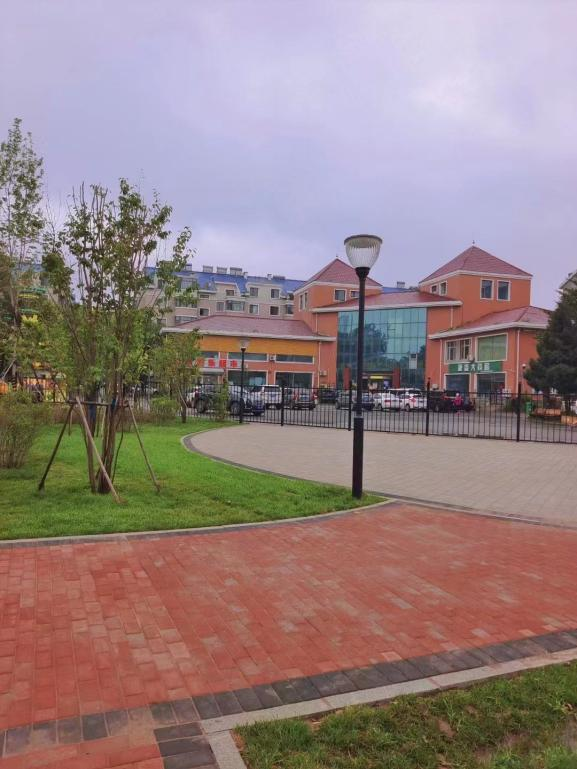
🏢 CASE STUDY
Frequently Asked Questions
1. What materials are used for garden light poles?
The poles are primarily made from Q235 high-quality steel or premium aluminum alloy, ensuring structural integrity and longevity.
2. How long will the light pole last without rusting?
Our steel poles undergo a hot-dip galvanizing process, which provides an anti-corrosion layer that prevents rust for approximately 20 to 30 years.
3. What components are included in a standard pole set?
A complete set includes the main pole, flange, cross arm, embedded/ground cage, and the necessary mounting brackets for equipment.
4. Do aluminum alloy poles require hot galvanizing?
No, aluminum alloy rods do not require hot-dip galvanizing as they are naturally resistant to corrosion. They are finished with plastic spraying for aesthetic appeal.
5. What is the standard production process?
The process involves professional welding, grinding and straightening, hot galvanizing (for steel), plastic spraying for the finish, and secure packaging for transport.
6. Can the poles be customized with patterns?
Yes, especially with aluminum poles, we can use rotation and extrusion techniques to create specific patterns and designs.
 Xolle Light